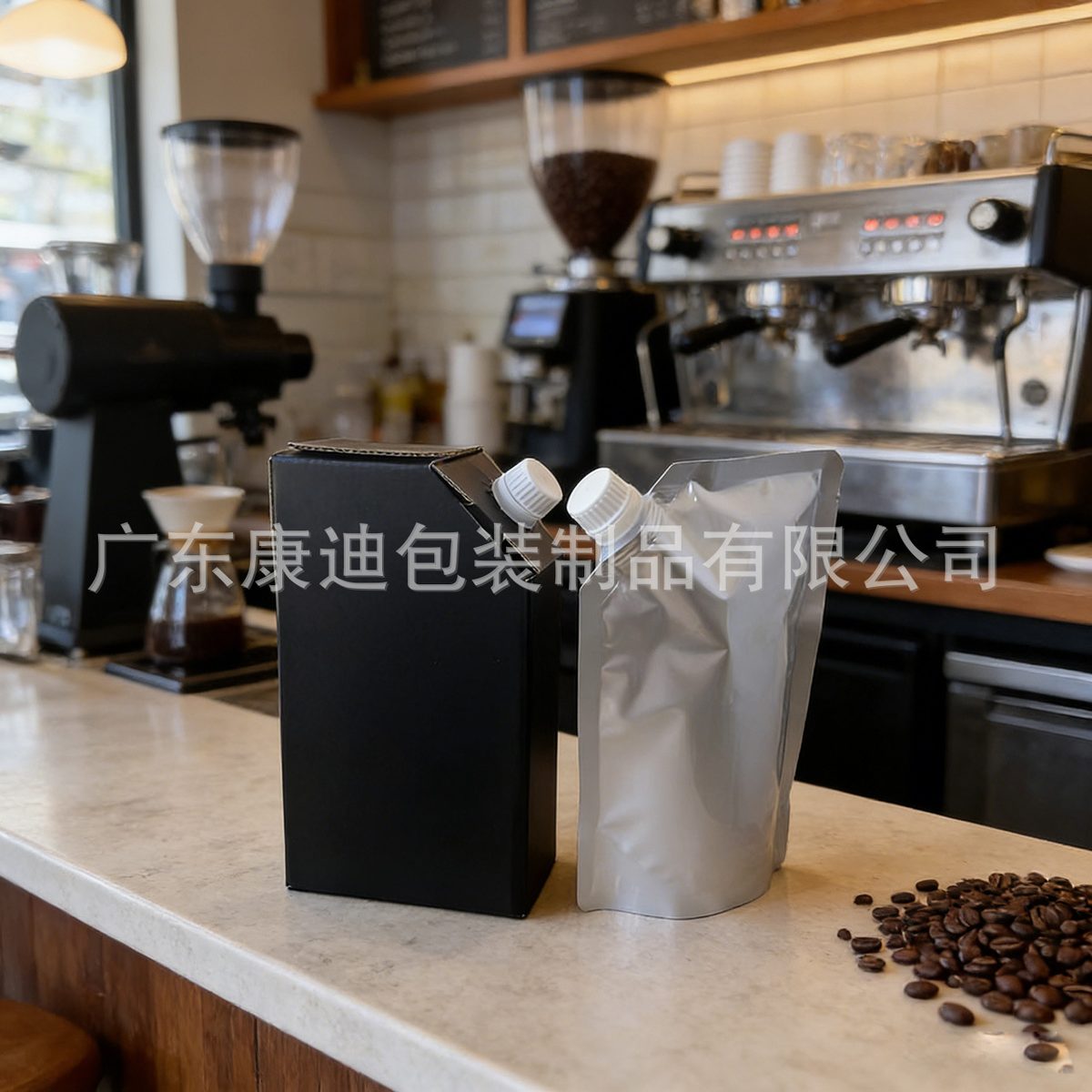
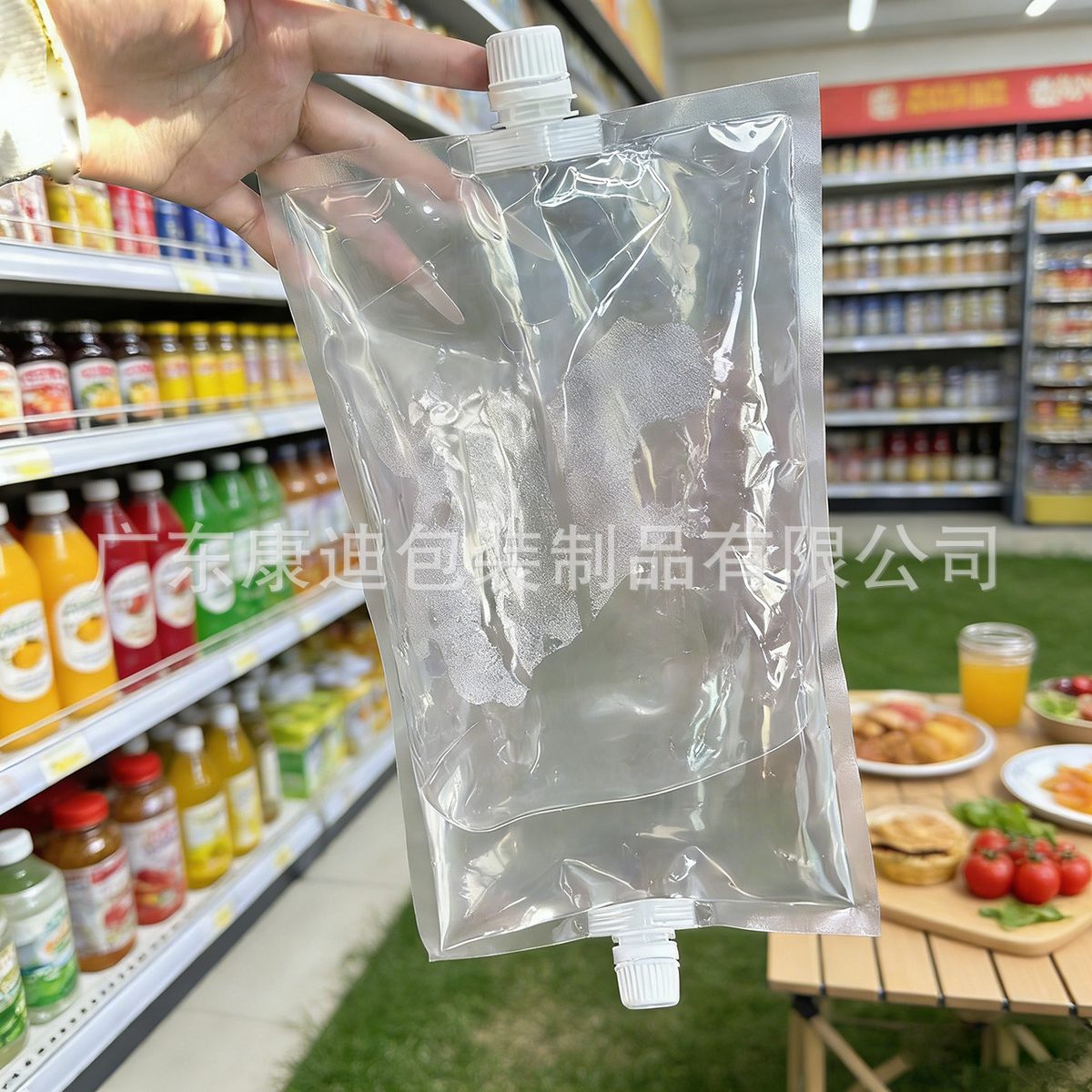
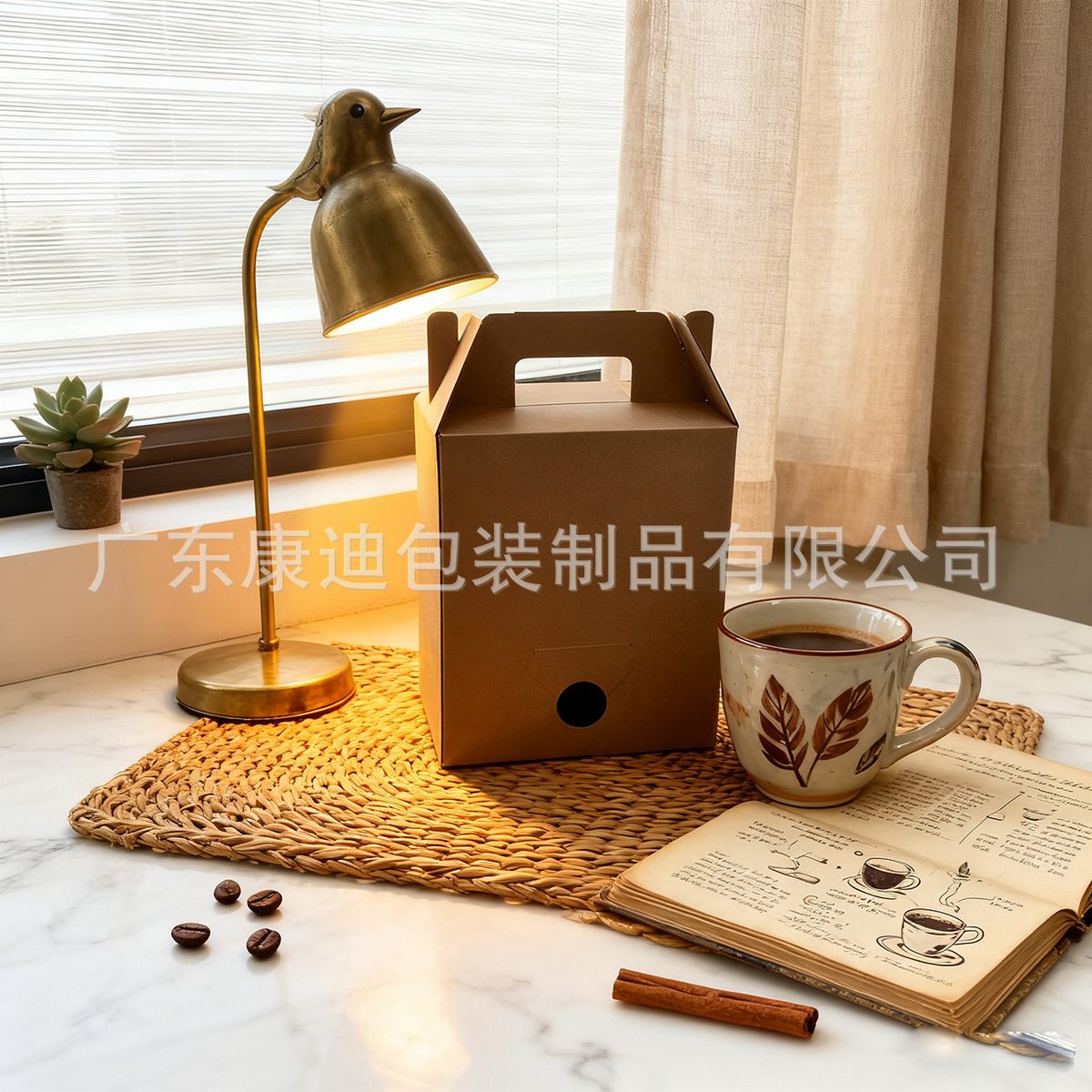
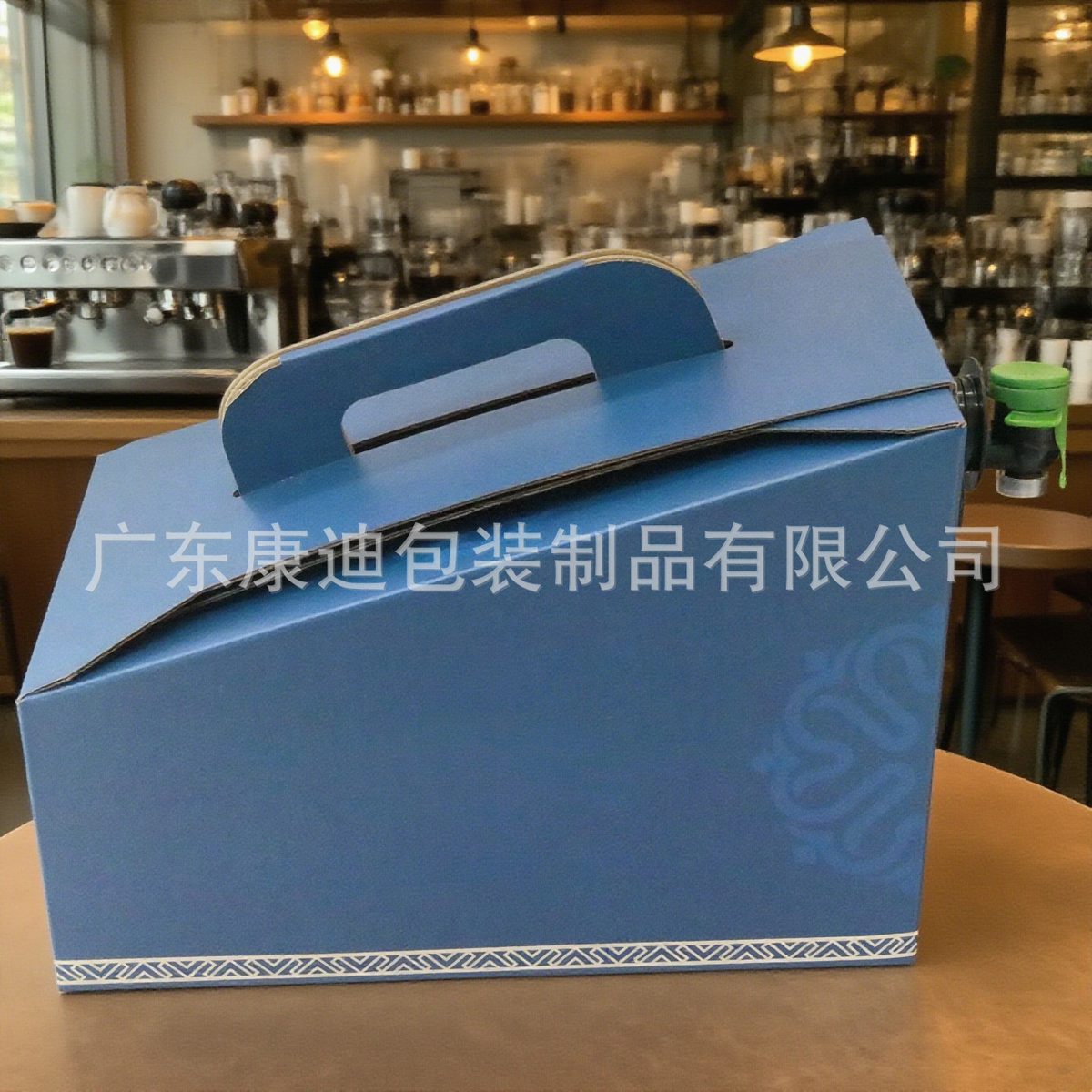
This apple cider spout pouch is built around a 500 ml–2 L pillow or stand-up format with a food-contact grade PET/AL/PE or PET/VMPET/PE laminate for oxygen and light protection. The sealed spout area is reinforced for clean filling and reliable cap closure, with Ø16 mm and Ø22 mm spout options plus tamper-evident caps. A low-profile dispensing profile supports bag-in-box use for cafes, taprooms and retail cider programs. The film can be specified for aseptic-filling evaluations or hot-fill compatibility depending on the cider process, pH and shelf-life target. Kody reviews product compatibility before sampling so the structure, spout and fill method are matched to your apple cider rather than chosen from a generic stock pouch.
Graphics are produced with 10-color rotogravure printing on our 15,000 m² clean workshop in Dongguan, allowing brand colors, cider variety cues and US West Coast retail artwork to run consistently across repeat orders. Matte, gloss or selective tactile varnishes can be evaluated, and the reverse-printed film helps keep ink away from the product side. Standard MOQ is 10,000 pieces per SKU or design, with lower trial quantities discussed only after structure and artwork review. Sampling typically begins with a plain or printed prototype so fillers can check spout fit, cap torque, pouch handling and box-dispensing ergonomics. Before mass production, Kody confirms dimensions, film gauge, spout specification, artwork proof and packing method in a signed approval sheet.
For apple cider producers on the US West Coast, the pouch is intended for refrigerated or ambient distribution where the filling process and film barrier are specified together. The opaque aluminum or metallized layer reduces light exposure, while the sealed spout supports clean pouring and resealing after opening. It can be supplied for direct-to-cafe pouches or as a flexible liner for bag-in-box dispensers, helping reduce headspace and support shelf-life goals without claiming a fixed shelf life before product testing. Kody can discuss fill temperatures, cap styles, oxygen transmission targets and outer-box dimensions with your co-packer. Final suitability depends on cider formulation, pH, processing, storage and handling; we recommend validating samples under your actual conditions.