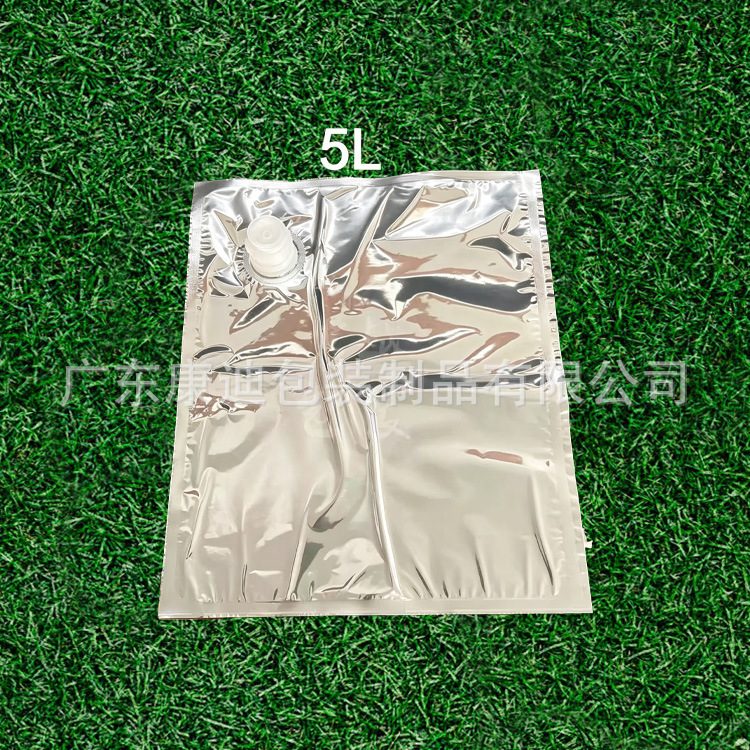
Heavy cream needs protection from oxygen, light and handling stress, so this vacuum pouch is constructed around a high-barrier flexible film such as PET/VMPET/PE or PET/AL/PE. The metallized or aluminium layer supports oxygen and light resistance, while the PE food-contact sealant layer is selected for cold or ambient dairy processing and reliable vacuum sealing. The pouch format removes headspace and holds the cream close to the film, helping reduce oxidative flavour change during storage and transport. For West Coast dairy producers, the structure can be tailored to filling temperature, pouch size and distribution conditions. Film thickness, sealant grade and barrier layer are confirmed against your heavy cream formulation and line requirements before sampling.
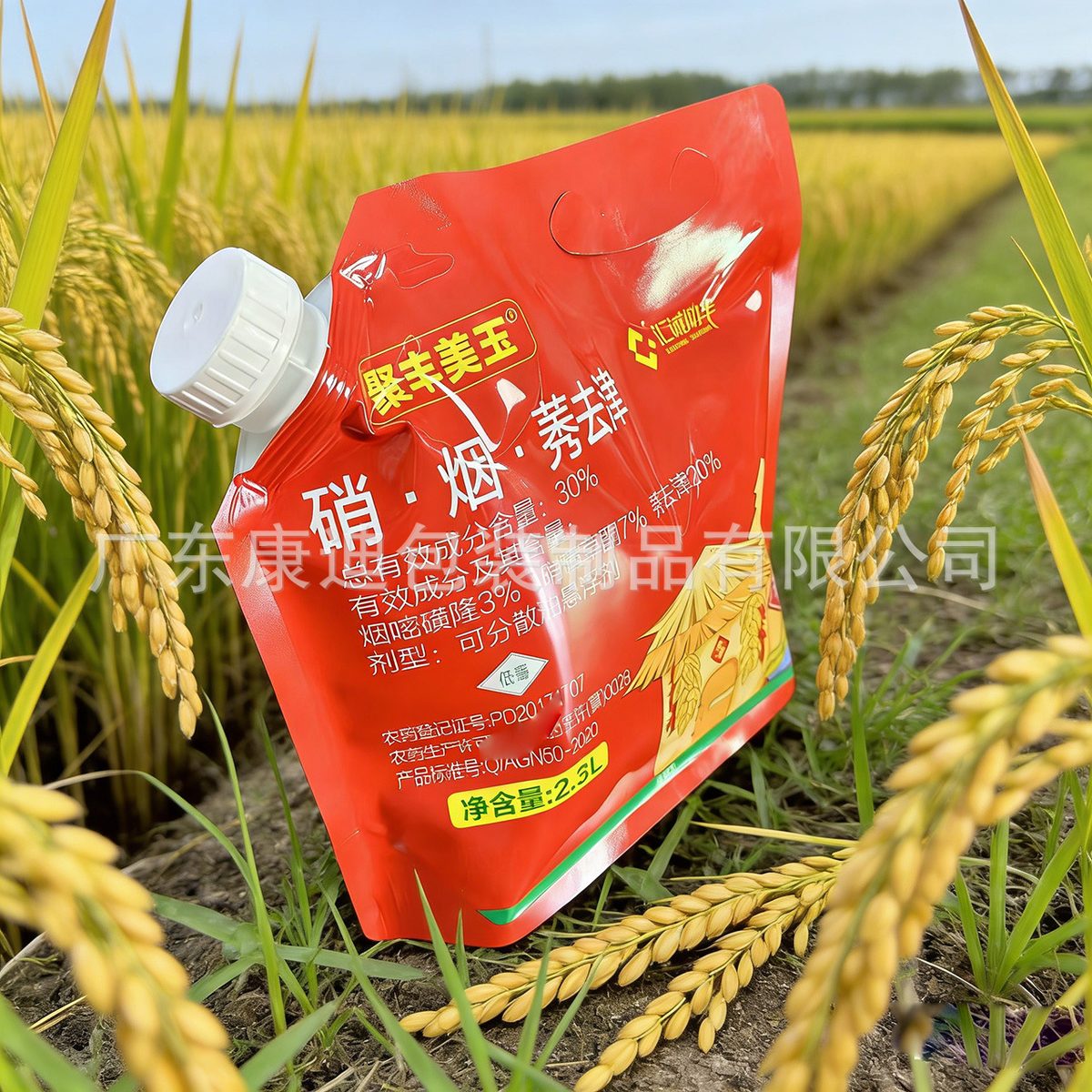
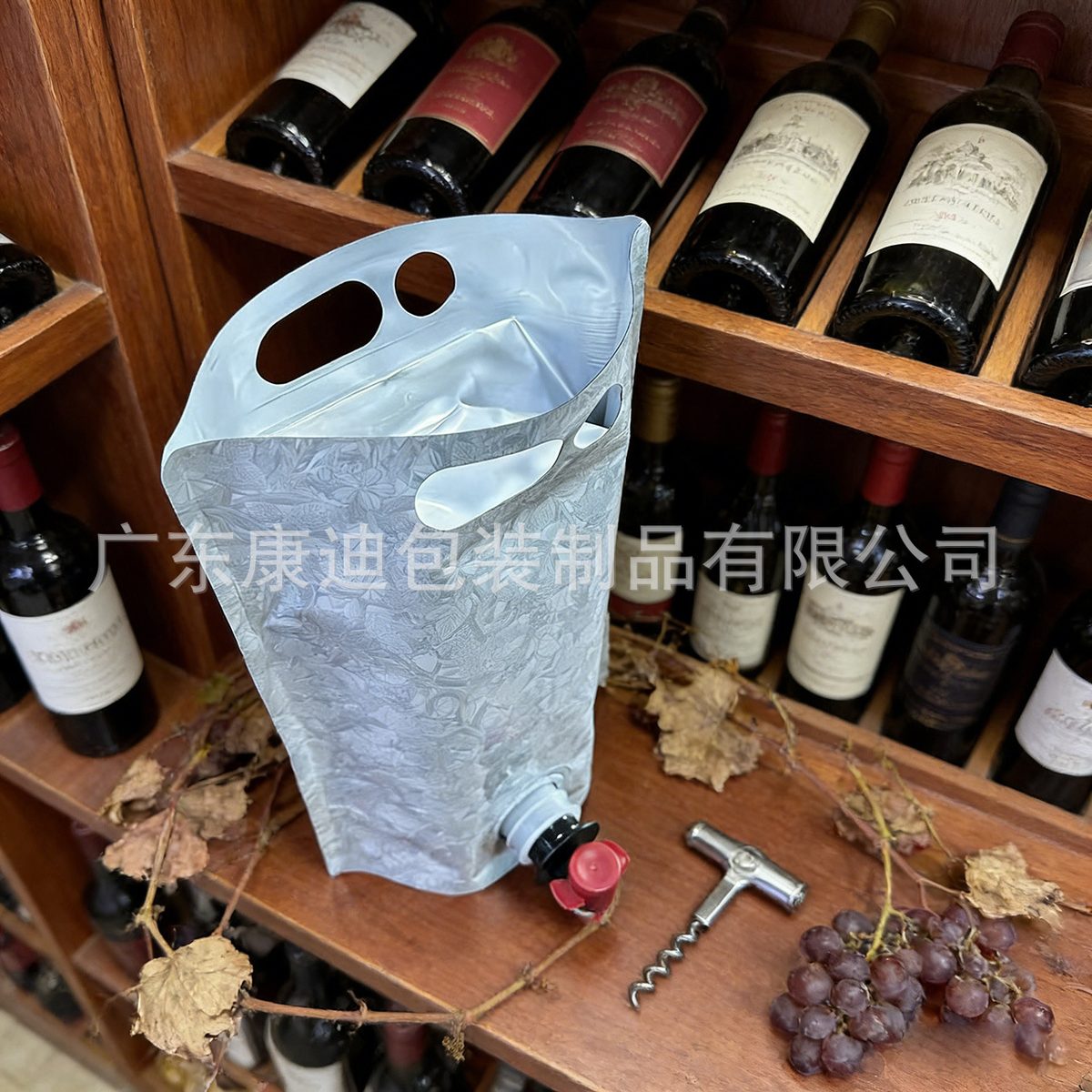
For dairy processors, an optional wide-bore spout can be fitted for controlled dispensing into filling or use stations, while the vacuum pouch body remains suitable for bulk cream packing. The spout and fitment are selected for food-contact use and matched to your filling nozzle; aseptic filling compatibility should be validated on your line with the final film and fitment combination. The pouch can be supplied with corner or centre spout placement, depending on handling and bag-in-box dispensing needs. This gives cream producers a flexible format for bulk transfers, ingredient supply and foodservice dispensing without committing to rigid containers.
Printing is handled by 10-colour rotogravure in our 15,000 m2 clean workshop, allowing brand graphics, usage instructions and lot-coding areas to be reproduced consistently across repeat dairy orders. We can print on the barrier film or provide a clear window area where the structure permits, and artwork is checked against spout position and seal zones before plates are made. Standard MOQ is typically 10,000 pouches per SKU, with lower trial quantities discussed for new heavy cream packs. Sampling follows artwork approval and film confirmation, so you can test vacuum strength, spout fit and dispensing on your own filling equipment. Production lead time is generally 15–25 working days after sample approval and deposit, depending on film availability and spout type.